
Radiologist. Founder. Builder of access.
Healthcare access is an infrastructure problem.
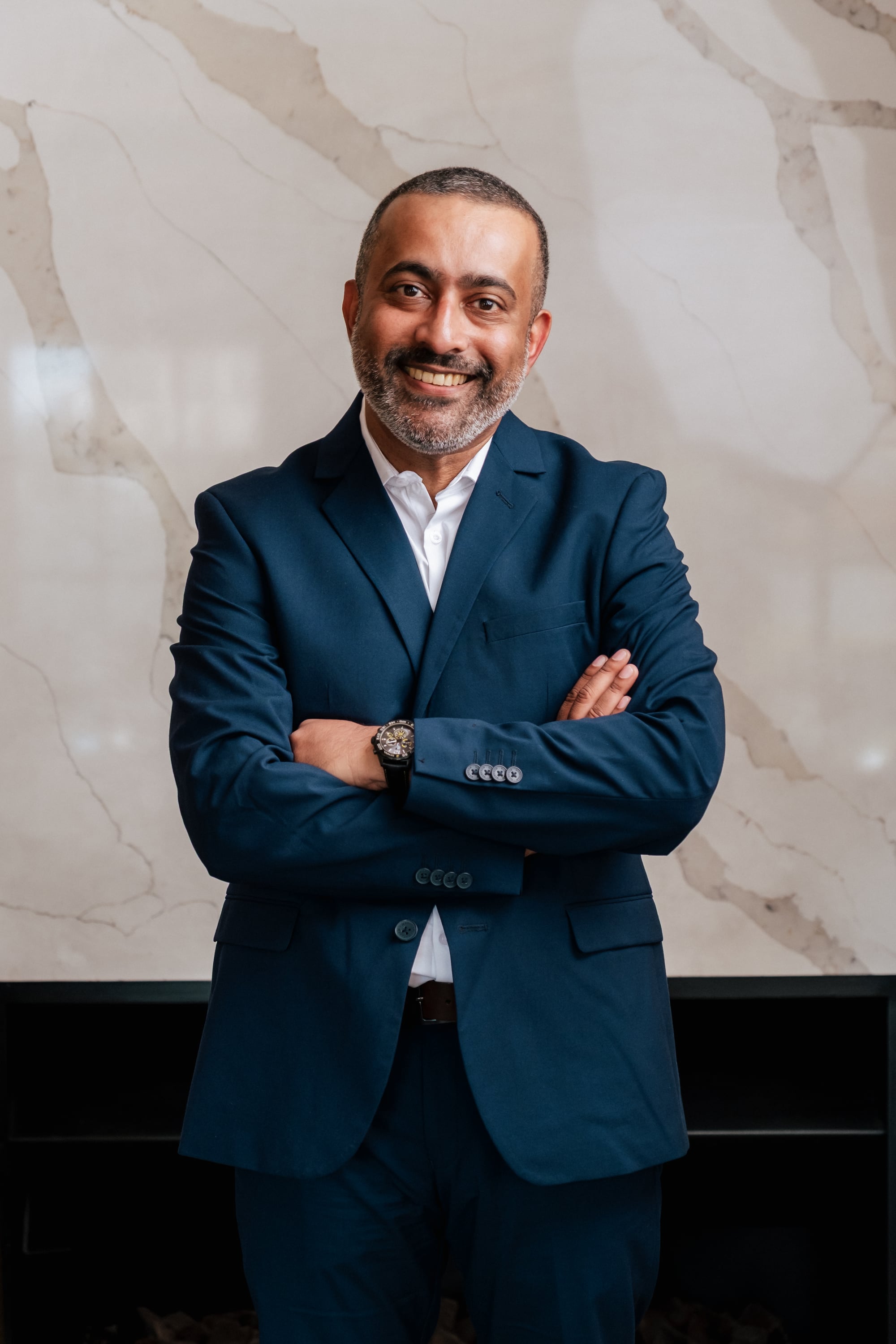
I'm Anith Chacko, a diagnostic radiologist and the founder of RDISA. Screening saves lives, but only if it reaches people where they live and work. So we put it on wheels: from one truck in 2023 to a national mobile network that has screened more than 22 000 women across 300 communities in South Africa, and found more than 425 cancers early.
The thesis
Access infrastructure
We know how to find cancer early. The hard part of preventive healthcare is the system around the medicine: the trucks, the rosters, the data, the follow-up call that actually happens. I write about healthcare access as a systems problem, about what building RDISA is teaching me in the field, and about the people the whole exercise is for.
The record
- 2023One mammography truck on the road
- 300+Communities reached
- 22 000+Women screened
- 425+Cancers detected
Built into a national mobile screening network, delivered with employers including Vodacom and Sanlam. Grounded in an MBBCh with distinction, FC Rad Diag (SA), a PhD from the University of Bristol, years as a lead radiologist at Life Healthcare, and the inaugural SAMA Young Researcher of the Year award.
Ways I help
The access diagnostic
A short assessment that shows where access to care breaks in your organisation, and what to do about it. Free to start.
Take the diagnosticAdvisory and board
Selective advisory and independent board work for organisations building access to care.
Work with meSpeaking and workshops
Keynotes, board briefings and executive workshops on healthcare access as infrastructure.
Invite me to speakFree guide
Five questions every health leader should ask
Before you sign off on the next piece of innovative technology, put it through five questions. A practical guide drawn from two decades in clinical practice and the field lessons of building a national mobile diagnostic fleet. Leave your email and it arrives in your inbox.
The guide is part of the monthly Healthcare Access Brief. You can unsubscribe at any time.
Loading the signup form.
Get the guide and join the newsletter on Kit if the form does not appear here.
The newsletter is managed by Kit in the United States. Read the privacy notice.
Latest writing
The algorithm is the easy part
Artificial intelligence is often sold as the answer to the access gap in healthcare. From a radiologist's chair, the model reading the scan is the simplest part of the problem, and the responsibility lives everywhere else.
Who signs the report when the AI is wrong
The conversation about AI in medicine is mostly about detection rates. The harder question, and the one procurement asks last, is who carries the risk when the model is wrong.
Infrastructure that moves
The most sophisticated part of many health systems is now mounted on wheels. That should change how we think about access altogether.